Lower Eyelid Surgery & Under-Eye Bags
Our eyes are one of the most defining features of our face, and the skin around them is particularly delicate. Over time, external factors such as UV exposure, stress and smoking, as well as genetic predisposition, can contribute to the development of under-eye bags. Many people find these changes aesthetically troubling, feeling that their appearance makes them look older than they actually are.
There are several possible causes of under-eye bags. Depending on individual predisposition, the soft tissues of the face may begin to descend as part of the ageing process, sometimes at a relatively early stage. This can result in what is known as a tear trough. In other cases, the thin layer of tissue that normally keeps the fatty tissue within the eye socket in place may lose its firmness. When this fatty tissue begins to protrude or descend, the characteristic appearance of under-eye bags can develop.

Lower Eyelid Surgery and the Treatment of Under-Eye Bags
As the skin around the eyes is particularly thin and delicate, lower eyelid surgery requires a high degree of precision. During a lower eyelid lift, the skin and underlying muscle can be tightened, while excess fatty tissue can either be removed or carefully repositioned.
If required, the procedure can be complemented by fat transfer, for example to restore volume to an area beneath the eyes that appears hollow.
The incision used to correct under-eye bags is usually barely visible. At the outer corner of the eye, it is placed within a natural skin crease, while the remaining incision runs just below the lash line. Scars in this area generally heal very well and tend to become inconspicuous over time.
Book Your Consultation Today
At our Plastic & Aesthetic Surgery practice in Munich, specialist plastic surgeon Dr Christian Metz will provide you with a comprehensive consultation on lower eyelid surgery and the treatment of under-eye bags. He will take the time to discuss your individual concerns, expectations and any questions you may have.
If you would like to arrange an initial, no-obligation consultation, please call our Munich practice on +49 (0)89 20 07 07 07. We will be pleased to find a suitable appointment for you.
Lower Eyelid Surgery & Under-Eye Bags
Lower eyelid surgery and the treatment of under-eye bags are usually performed as an outpatient procedure.
- Procedure duration: Approx. 90 minutes
- Anaesthesia: Local anaesthesia with sedation
- Hospital stay: Outpatient procedure
- Time off work: 2–7 days
- Social downtime: Approx. 10–14 days
- Aftercare: Cooling with cool packs, scar care, suture removal after 5–6 days; makeup can be applied after the sutures have been removed
- Exercise: After approximately 3 weeks
- Cost: From €3,500
Get Comprehensive Advice!
We would be happy to arrange an initial, no-obligation appointment with you at our practice for Plastic & Aesthetic Surgery in Munich — call 089 / 20 07 07 07, or book your consultation online right away.

Three Questions for Plastic Surgeon Dr Christian Metz About Lower Eyelid Surgery & Under-Eye Bags in Munich
What can I achieve with lower eyelid surgery and the treatment of under-eye bags?
If you are concerned about under-eye bags or excess, wrinkled skin beneath the eyes, lower eyelid surgery can achieve significant improvement. During the procedure, excess skin is removed, while accumulated fatty tissue can either be removed or carefully repositioned.
Repositioning the fatty tissue can also help improve the appearance of dark circles and hollows beneath the eyes. Following surgery, the area beneath the eyes can appear smoother and more even, while under-eye bags are significantly reduced.
Does the procedure also improve smile lines and crow’s feet?
Lower eyelid surgery and the correction of under-eye bags specifically address the lower eyelid area. There are other treatment options for wrinkles around the outer corners of the eyes, including Botox treatment, medical needling or medical needling combined with PRP (Platelet-Rich Plasma).
Treatment with hyaluronic acid may also be suitable for certain areas of the upper face. I would be pleased to advise you on additional options for treating wrinkles and signs of ageing in this area. Brow and forehead lifts may also be considered.
How long do the results of under-eye bag surgery last?
The results of lower eyelid surgery and the correction of under-eye bags are long-lasting. In most cases, patients can expect to enjoy the benefits of the procedure for many years.
The natural ageing process will, of course, continue over time. I would be pleased to explain what you can realistically expect from the procedure during a personal consultation.
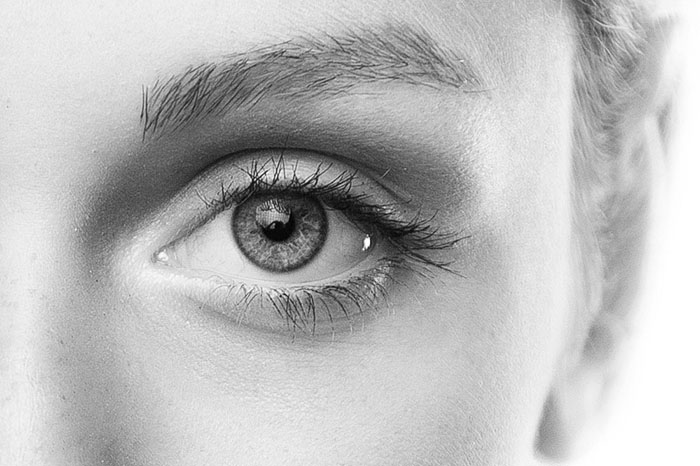
Lower Eyelid Surgery Before-and-After Photos
We would be pleased to show you before-and-after photographs of lower eyelid surgery and the correction of under-eye bags at our Plastic & Aesthetic Surgery practice in Munich. These images can give you a clear impression of the results that may be achieved.
Due to the professional guidelines governing plastic surgery in Germany, we are unable to publish these photographs on our website. During a personal consultation, however, we will be happy to show you relevant before-and-after images and explain which treatment options may be suitable for your individual concerns around the eye area.

Which surgical methods and techniques does specialist plastic surgeon Dr Christian Metz use?
We perform lower eyelid surgery and the correction of under-eye bags as an outpatient procedure under local anaesthesia with sedation. Following the procedure and an appropriate recovery period, you can leave the clinic in Munich accompanied by another person. You must not drive yourself home. We use a gentle, tissue-preserving surgical technique designed to minimise scarring and carefully treat the delicate structures around the eyes.
What exactly happens during lower eyelid surgery?
Following anaesthesia, Dr Metz makes a fine incision directly below the lower lash line, approximately 1–2 mm beneath the eyelashes. The incision is extended slightly outwards along the natural smile lines.
Excess fatty tissue and skin are then carefully removed, and the remaining skin is tightened. If necessary, the surgeon may also tighten the thin layer of tissue that normally holds the fatty tissue within the eye socket.
If additional corrections have been discussed beforehand, such as repositioning the patient’s own fatty tissue around the eye socket, these are performed at this stage. If the lower eyelid has lost some of its natural tension, the outer corner of the eyelid – or, in rare cases, the inner corner – can be supported and tightened. This procedure is known as a canthopexy and helps restore tension to the lower eyelid margin.
Finally, the incision is carefully closed using very fine sutures and covered with small adhesive strips.
Do I need to stay in hospital for lower eyelid surgery and the treatment of under-eye bags?
Lower eyelid surgery is generally performed as an outpatient procedure under local anaesthesia with sedation. An overnight stay at the clinic in Munich is therefore usually not necessary. We will discuss this with you in advance during your consultation.
What type of anaesthesia is required?
For lower eyelid surgery and the correction of under-eye bags, the preferred approach is usually local anaesthesia combined with sedation. You will be in a relaxed, drowsy state while remaining responsive.
The injections used to administer the local anaesthetic to the eyelid are generally barely noticeable, and you should not experience pain during the procedure. In rare cases, a different form of anaesthesia may be recommended if medically appropriate.
How should I prepare for the procedure?
Please inform us during your consultation of any pre-existing medical conditions. Eye conditions, dry eyes and any medication you take regularly should also be discussed. Please also let us know about any allergies or previous problems with wound or scar healing.
Ten days before surgery, medication containing acetylsalicylic acid (aspirin) and other blood-thinning medication should be discontinued in consultation with your doctor. Please also avoid taking arnica. Nicotine and alcohol should be avoided before the procedure.
Depending on your medical history, additional examinations may be required. An ophthalmological examination may be recommended if there are any relevant findings or concerns. Earrings and piercings must be removed before surgery.
We also recommend arranging assistance at home during the initial recovery period, for example with household tasks and looking after pets. You will receive detailed written instructions from us before the procedure.
What does the aftercare involve?
Regular cooling of the treated area is important to help reduce swelling and bruising. Initially, you should rest in bed or sit with your upper body slightly elevated. Your eyes need time to recover following lower eyelid surgery, so you should avoid reading and watching television during the initial recovery period.
You must not drive and should avoid strenuous activities. Depending on your occupation and individual recovery, you can generally return to work after a few days. Most patients feel comfortable resuming social activities after approximately ten days.
Direct sun exposure should continue to be avoided. Special lymphatic drainage treatments may be beneficial in some cases, and scar care using a suitable scar gel may also be recommended. Contact lenses should generally not be worn for approximately one week. Sutures are usually removed after five to six days.
What are the risks associated with removing under-eye bags?
As with any surgical procedure, there are general risks, including post-operative bleeding. Should this occur, immediate medical attention is required to minimise the risk of complications.
Wound infections are also possible, although they are uncommon, and can be treated with antibiotics. We will explain the potential risks of lower eyelid surgery in detail during a comprehensive consultation at our specialist practice in Munich.
What complications can occur?
If you experience severe pain, visual disturbances or significant swelling, you should contact your surgeon immediately.
Mild dryness of the eyes can occur after surgery and can usually be relieved with eye drops. Temporary changes in sensation around the lower eyelid are also possible and generally resolve within a short period of time.
Will I experience pain after lower eyelid surgery?
During surgery, you should not experience pain due to the local anaesthesia with sedation and the care provided by an experienced anaesthetist. At most, you may notice a slight pulling sensation.
Following the procedure, you may experience mild pressure, tenderness or discomfort around the treated area. Conventional pain relief that does not contain acetylsalicylic acid is generally sufficient and may also help reduce swelling.
Will there be visible scars?
The incision is positioned directly beneath the lower lash line. With normal scar healing, it generally becomes barely noticeable over time.
During the initial healing period, the incision line may still appear slightly red. Once appropriate, any residual redness can usually be concealed effectively with makeup until the scar has faded further.
When can I return to work?
You can generally return to work after approximately two to seven days, depending on the nature of your occupation. If your work is physically strenuous, a longer recovery period may be advisable.
When can I resume social activities?
Most patients feel comfortable resuming social activities approximately ten days after lower eyelid surgery, although this varies from person to person. Any remaining redness around the incision can generally be concealed effectively with makeup. We will provide you with individual recommendations for your recovery.
When can I exercise again?
This depends on the type of exercise, but in general you can resume sporting activities after approximately three weeks. Physical exertion increases blood flow and can contribute to redness and swelling, so it is important to allow sufficient time for healing. Dr Metz will advise you according to your individual recovery and the type of exercise you wish to resume.
When can I drink alcohol again?
Alcohol can promote fluid retention and redness and may therefore interfere with the healing process. For this reason, we recommend avoiding alcohol during the first few days following surgery.
Are there alternatives to surgery?
In less pronounced cases, medical needling combined with PRP (Platelet-Rich Plasma) may be considered as a non-surgical option for improving skin quality and firmness.
For tear troughs, volume can sometimes be restored using carefully selected, lightly cross-linked hyaluronic acid fillers, such as Juvéderm Volbella.
Dr Metz will be pleased to develop an individual treatment plan for you. During your consultation, we can also discuss options for improving the entire eye area, including treatments for fine lines and crow’s feet. In some cases, a forehead lift or brow lift may also be considered.
Can lower eyelid surgery be repeated?
In principle, lower eyelid surgery can be repeated. However, the healing process must first be completed before the final result can be properly assessed. This is generally possible no earlier than approximately six months after surgery. Dr Metz will be pleased to advise you on whether a further procedure may be appropriate.
How much does the procedure cost?
Lower eyelid surgery starts from €3,500. Following your consultation, we will be pleased to provide you with an individual cost estimate.
When is the procedure covered by health insurance?
In particularly pronounced cases, the cost of lower eyelid surgery or the correction of under-eye bags may be covered by health insurance. Coverage depends on the individual medical circumstances and the requirements and prior approval of the respective insurer.
Will lower eyelid surgery affect my vision?
The procedure itself is not performed on the eye, so it does not normally affect your eyesight. During the first few days after surgery, however, swelling or the use of eye ointment may temporarily cause slightly blurred or impaired vision. This generally resolves within a short period of time.
An ophthalmological examination before surgery may be recommended to identify or rule out any pre-existing eye conditions.
Can lower eyelid surgery be combined with upper eyelid surgery?
Yes. Lower eyelid surgery can be combined with upper eyelid surgery. The combined procedure takes longer, and swelling and bruising may be somewhat more pronounced. If appropriate, an overnight stay at the clinic can be arranged.
What are the requirements for lower eyelid surgery or the correction of under-eye bags?
You should be in good general health and should neither be pregnant nor planning a pregnancy at the time of surgery. There should also be no eye conditions that would make the procedure inadvisable.
Certain underlying medical conditions may also mean that surgery is not recommended. Your individual suitability for the procedure will therefore be carefully assessed during your consultation.
Accreditations and Memberships